Devices in the IQOS ILUMA family are engineered to be fuss-free. The magnetic induction heating eliminates blades and deep cleans, and the single-button interface on ILUMA ONE keeps things simple. Still, when something misbehaves, you feel it right away: a light that won’t settle, a session that stops early, or a device that won’t charge. I’ve spent enough time with ILUMA, ILUMA ONE, and ILUMA PRIME to know where the rough edges show up and how to smooth them out fast. This guide focuses on ILUMA ONE, while noting important differences across the ILUMA range, so you can get back to a reliable routine.
What “reset” really means on ILUMA ONE
People use “reset” in two ways. One, a soft reset that clears temporary glitches without erasing anything. Two, a more thorough reset that returns the device to its default behavior while keeping its core firmware. On the IQOS ILUMA ONE, the reset you need for everyday hiccups is the soft reset. It reboots the device logic, refreshes the battery indicator, and clears minor sensor faults. It does not wipe firmware or usage counters.
If your ILUMA ONE is freezing, the lights are stuck, or it won’t respond to presses, a soft reset handles nine out of ten issues. When hardware is at fault, or the battery has aged past its prime, a reset only masks symptoms for a short time. I’ll help you tell the difference.
Before you reset: a quick check that saves time
Most “dead” ILUMA ONE units aren’t dead. They’re out of sync with your expectations, usually because of battery charge, pocket debris, or a TEREA stick loaded in a way the induction ring doesn’t like. I run a simple three-step sanity check before touching resets.
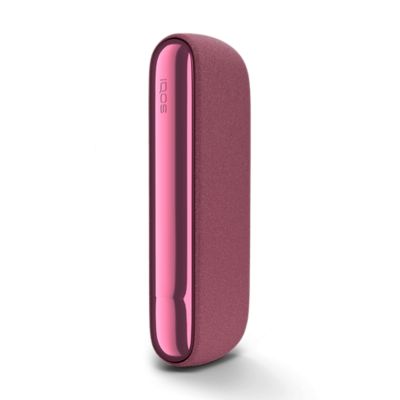
- Confirm charge and power state. Plug the ILUMA ONE into a known-good USB power adapter and cable. You want a stable 5 V source, ideally 1 to 2 A. Watch the light bar: a slow pulsing pattern indicates charging. If there’s no response after two minutes, try a different cable and port. Low-quality cables cause more “dead device” reports than you’d think. Remove the stick and inspect the cavity. Eject any TEREA for IQOS ILUMA stick by pulling it straight out, then tap the device gently with the opening facing down. You’re looking for loose tobacco crumbs that can interfere with auto-detection. Don’t insert foreign objects. If you have an ILUMA stick remover tool, use it to avoid twisting the stick or damaging the ring. Let the device cool. The ILUMA ONE enforces temperature protection. If you finished a session moments ago, and you try to start another while the chassis is still warm, it can flash an error or refuse to start. Two to three minutes of rest often resolves it.
If the device wakes up and behaves after this, you can skip the reset. If not, move to the next section.
How to reset ILUMA ONE, step by step
On ILUMA ONE, the reset is built into the single button and the light bar. Timing matters, but it’s straightforward once you know the rhythm.
- With the device unplugged and no stick inserted, press and hold the button for at least 7 seconds, then release. The light bar will turn off, then briefly flash. After a short pause, it should return to its idle state. If nothing happens on the first try, repeat, but extend the hold to about 10 seconds. Some units respond better just past the 7 second mark. Do not exceed 20 seconds, since very long holds can be interpreted as different commands on certain firmware builds. After the reset, charge for at least 5 minutes before starting a session. This gives the battery gauge time to resynchronize. Then insert a fresh TEREA stick and press the button once to begin.
I’ve seen rare cases where ILUMA ONE needs two resets back to back if it was fully drained. If the lights flicker oddly after the first reset, let it rest 60 seconds, then try again.
Interpreting lights and patterns like a pro
Light behavior is the device’s language. ILUMA ONE keeps it simple, but the cues overlap. Here is how to read the most common patterns and what they usually mean in practice.
A steady, rising sequence while charging tells you the battery is accepting current and climbing through levels. If it stays fixed at a single bar for over 30 minutes on a wall charger, the battery or cable could be the culprit.
A slow pulse and then full illumination when you press the button with a stick inserted means the session preheat has begun. You’ll feel a small vibration on some units. If it repeatedly tries to preheat but never starts, the device may not detect the stick’s ferromagnetic element correctly. Try a new TEREA stick, inspect the chamber rim, and check for debris.
A rapid flashing sequence that ends the session early often indicates thermal protection or a short session due to low battery. If it happens on the second session in a row with minimal idle time, think overheating. If it happens on the first session after the device sat overnight, think weak battery.
No lights at all even while charging commonly points to a fully depleted battery that needs a longer soak. Give it 15 to 20 minutes on a reliable charger, then check again. If there is still no sign of life, try a different cable and power source. After that, a reset is warranted.
Common ILUMA ONE issues and how to fix them fast
The ILUMA family has fewer moving parts than the blade-based IQOS generations, but that doesn’t mean zero faults. These are the issues I encounter most often on ILUMA ONE, along with direct remedies and context so you know why they work.
Short sessions that end under 3 minutes. Fresh TEREA sticks should run for roughly 14 puffs or up to 6 minutes, although actual time varies with draw strength and pauses. If sessions routinely end early, check two things. First, battery level. A marginal charge can cut power delivery and trigger a premature stop. Second, stick integrity. TEREA sticks contain a metal element that couples with the induction system. A bent or damaged stick won’t heat correctly. Switching to another stick from the same pack reveals whether you picked a dud.
Device gets hot and refuses to start. Thermal protection is doing its job. ILUMA ONE is compact, and back-to-back sessions build heat. Give it at least two minutes, even longer if you are in direct sun or a hot car. The difference between 25 and 35 degrees Celsius ambient can be the difference between one back-to-back session and none. A soft reset after cooling can clear a lingering thermal error.
Charging feels inconsistent. Two variables dominate: cable quality and power source stability. Phone chargers vary widely. A 5 V, 1 to 2 A charger from a reputable brand tends to be stable. Power banks are hit or miss depending on their auto-wake behavior at low current draw. If your ILUMA ONE stops charging on a power bank after a few minutes, try tapping the device button to nudge the draw, or use a bank that supports low-current mode.
Lights blink in unusual patterns after a drop. A fall onto a hard surface can jar the battery connector or disturb the magnetic ring alignment. First, reset. Then charge for 20 minutes and test with a fresh stick. If the device still throws patterns you haven’t seen before, contact support. Physical impacts sometimes cause intermittent faults that a reset won’t heal.
Device won’t turn on, but lights appear while charging. This is often a partial logic freeze. Charge for five minutes, unplug, then perform the 7 to 10 second reset. Wait 30 seconds, then press once to wake. If you get a brief blink and then nothing, repeat the reset one more time and let the device sit for two minutes before trying again.
Cleaning and care, the quiet fix for detection errors
ILUMA systems are far less sensitive to debris than blade-based models, but build-up still happens. Tiny tobacco fragments can sit near the rim where the stick meets the chamber and confuse detection. I clean ILUMA ONE weekly if I’m using it daily, and I use a gentle approach.
Skip sharp tools. Do not scrape the inner ring. Use the official cleaning sticks or a lint-free swab slightly dampened with isopropyl alcohol, then wait until it is fully dry before use. A couple of slow rotations around the rim is enough. If you own an ILUMA stick remover, use it whenever a stick feels stuck. Twisting the stick in frustration risks damaging the device’s inner components.
Environmental habits matter. Pockets with sand, beach bags, or dusty dashboards introduce grit. A simple sleeve case or keeping the mouthpiece covered when not in use helps prevent the kind of debris that triggers odd detection behavior.
When a reset isn’t enough: battery health and replacement timing
Lithium-ion cells in compact devices perform well for about 300 to 500 full charge cycles, depending on heat exposure and charging habits. With ILUMA ONE, heavy daily users typically notice reduced session counts per charge after 8 to 14 months. If your fully charged device now delivers half the sessions it used to, or voltage sags end sessions early even when the gauge shows two bars, you’re seeing normal battery aging.
Resets won’t restore capacity. You can stretch the remaining life by avoiding high-heat environments and not leaving the device on charge for days at a time. Ultimately, though, replacement or warranty service is the practical route. If you bought an IQOS ILUMA ONE kit from an authorized channel, check your coverage. Many regions provide a limited warranty that covers manufacturing defects, not normal wear, but a battery that fails prematurely sometimes qualifies.
ILUMA ONE vs ILUMA and ILUMA PRIME: what’s different in troubleshooting
Although you can share a lot of instinct across the family, each model has its quirks.
ILUMA ONE uses a single, integrated unit with a simple light bar and one button. There’s no holder and charger separation. That means one reset does it all, but you also don’t get the granular charge indicators that ILUMA and ILUMA PRIME holders provide. If you’re migrating from ILUMA PRIME, expect the ONE to feel more straightforward but less verbose.
ILUMA and ILUMA PRIME have a holder that lives inside a charger. When issues arise, you sometimes reset the holder and the charger separately. The charger has its own battery, and poor contact points can cause the infamous “holder not charging” headache. Cleaning the contacts fixes many of those. ILUMA ONE avoids this, which is partly why many users prefer it for simplicity.
Performance across models is similar in heating quality because they all use Smartcore Induction. Session counts per full charge differ. If you switched from ILUMA PRIME to ILUMA ONE and noticed fewer sessions per charge, that’s expected. It’s not a fault, and a reset won’t change it. If you need longer run time between charges, carry a compact power bank or consider a model with a larger battery.
TEREA, HEETS, and compatibility pitfalls
A recurring support question: can HEETS be used in ILUMA? The answer is no. ILUMA devices, including ILUMA ONE, are designed for TEREA sticks that contain the ferromagnetic element required for induction heating and a closed tip that helps keep the device cleaner. HEETS are for older blade-based devices and are not compatible with ILUMA. Forcing a HEETS stick can damage the device or, at best, fail to start a session. If you see errors with every stick in a pack labeled TEREA, confirm the packaging and region. Counterfeit or improperly stored sticks cause strange behavior.
If you’re in the UK and searching “iqos iluma tesco” or “iqos iluma where to buy near me,” note that availability and assortments vary by region and retailer. Official channels and the IQOS ILUMA UK site usually list current TEREA options and compatible devices. https://writeablog.net/nuadananyc/iqos-iluma-i-what-to-do-if-it-wont-charge Prices for ILUMA ONE and ILUMA PRIME also vary by country. I’ve seen ILUMA ILUMA ONE price points swing by 10 to 20 percent between promotions. If you see a price far below market, it could be a clearance or a gray-market import. Firmware support and warranty can be complicated on those.
Real-world edge cases I’ve seen
Travel charging surprises. Airport USB ports supply inconsistent power. I watched an ILUMA ONE appear to charge for ten minutes, then die on first use. The device wasn’t at fault, the port delivered erratic current. A small 5 V wall adapter fixed it immediately. If you’re traveling, pack a compact 1 to 2 A adapter and a good cable.
Car dashboards and heat. A summer drive can push the internal temperature beyond what the ILUMA ONE expects. I’ve had users report “it just blinks and won’t start” after leaving the device near a windshield. The battery may also age faster under these conditions. Keep the device shaded, and if it overheats, wait longer than usual before attempting a reset.
Sticks stored in the wrong environment. TEREA sticks kept in very humid or very dry conditions behave differently. Too humid, and you’ll get moist tobacco that doesn’t heat evenly. Too dry, and the aerosol feels thin and the device may reach cut-off earlier because the algorithm detects less resistance. Store sticks at room temperature in a sealed pack.
Firmware updates and odd behavior. Some regions push device updates during service visits or via diagnostic tools at official stores. If your ILUMA ONE started acting differently after a visit, the logic behind preheat or error signaling may have changed slightly. The reset steps stay the same, but the blink tempo can shift. If you’re unsure whether you’ve got the latest firmware, an authorized store can check.
Dropped device and micro-cracks. After a waist-high drop on tile, a user reported intermittent charging: it would charge if the cable was held at a slight angle. That’s classic connector strain. Resetting won’t touch it. If a gentle wiggle changes the charging state, schedule a repair or replacement before you’re stranded.
Choosing the right accessories to avoid repeat issues
A short, well-made USB cable is your best friend. Avoid frayed cables, and avoid niche magnetic-tip adapters that add resistance. A 0.5 to 1 meter cable from a reliable brand strikes a good balance between flexibility and minimal voltage drop. For power, a 5 V, 2 A adapter is robust without being overkill. Multi-port GaN chargers are fine, as long as the port you use clearly supports simple 5 V output.
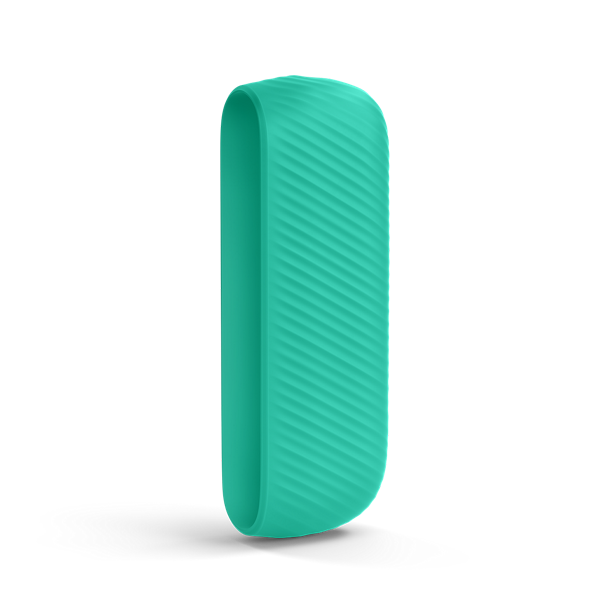
A slim sleeve or pocket case keeps dust away from the mouthpiece and reduces the chance of pocket lint creeping in. If you carry the device in a bag with keys or coins, a case is more than cosmetic.
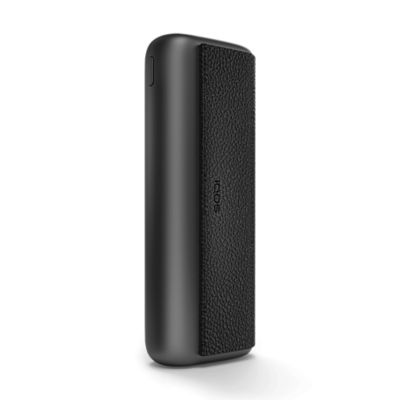
If you use ILUMA ONE daily, consider a small power bank. Look for one that supports low-current trickle without timing out. Many advertise this as a low-power mode for earbuds.
How to know when to contact support
Resets, cleaning, and sane charging resolve most daily glitches. Still, there are clear signs to escalate:
- The device shows no lights on any cable and charger after a 20 minute charge attempt, and two reset attempts spaced one minute apart. It starts sessions, then immediately stops with a fast error pattern on every attempt across multiple TEREA sticks, even after cleaning and cooling. Physical damage is visible, or the charging port is loose and requires cable pressure to connect. Session counts per full charge fall sharply within a few months of purchase, pointing to a battery defect rather than normal aging.
If you’re in the UK and purchased an IQOS ILUMA ONE starter kit from an authorized store, reach out through the official IQOS ILUMA UK support channels. Have your purchase details and serial number ready. If you bought an IQOS ILUMA ONE bundle, check whether accessories are covered separately. For ILUMA PRIME or ILUMA i series owners, mention the exact model, since troubleshooting steps differ slightly.
Practical habits that keep ILUMA ONE stable
Routine makes a difference. Charge before the gauge hits empty. Let the device cool between sessions. Store TEREA sticks properly. Clean the rim weekly. Use a good cable and a stable charger. Replace accessories at the first sign of wear. These are small, boring moves that prevent 90 percent of headaches.
I keep my ILUMA ONE on the same shelf near a wall charger and make it part of my evening routine to top it up. I leave a spare cable in the car but avoid charging there on scorching days. I’ve learned that a 60 second pause after a reset, before trying to start a session, eliminates false restarts. And if I switch from ILUMA ONE to ILUMA PRIME for trips because I want more sessions per charge, I reset expectations rather than the device. Different form factors have different strengths.
A note on naming, models, and where to buy
Search terms can be messy: iqos iluma, iluma one iqos, 1qos iluma, iqos iluma-i prime kit. If you’re in the market and wondering what to buy, the ILUMA ONE is the most portable option with the least moving parts. ILUMA and ILUMA PRIME offer separate holder and charger systems, often with more sessions per full charge, a premium finish on PRIME, and slightly more detailed feedback. Prices fluctuate by region. I’ve seen iqos iluma price UK vary around typical promotional windows, with ILUMA PRIME UK price trending higher due to materials. Official sites and stores are safest for warranty and compatibility, especially for TEREA iluma variants and limited editions like iluma sienna.
If you’re asking “what is IQOS ILUMA” at a basic level, think of it as a tobacco heating system using induction rather than a burning cigarette or a traditional vape. It pairs only with TEREA sticks designed for ILUMA. You can’t use HEETS in ILUMA, and HEETS iluma or iluma heets are common mislabels. The right phrase is TEREA for IQOS ILUMA.
Quick reference: reset and recover flow
- Check charge with a known-good 5 V charger and cable for 5 to 20 minutes. Watch for light activity. Remove the TEREA stick, tap out crumbs, let the device cool for 2 minutes. Perform the soft reset by holding the button 7 to 10 seconds, then release and wait 30 to 60 seconds. Charge for 5 minutes, insert a fresh TEREA stick, press once to start. If issues persist, repeat the reset once, clean the rim gently, and try a different power source. Escalate to support if the device remains unresponsive or errors repeat across multiple sticks.
Final thoughts from the bench
The IQOS ILUMA ONE is resilient, but like any compact device it benefits from clean power, sensible handling, and occasional resets. When something goes off-script, resist the urge to hammer the button. Give it a measured reset, cool-down time, and a proper charge. Most of the time, that’s all it takes. When it isn’t, don’t wrestle with a hardware fault for days. Batteries age, ports loosen, and accidents happen. A quick evaluation against the patterns above will tell you whether to keep troubleshooting at home or head to an authorized service point.
Whether you use ILUMA ONE, ILUMA, or ILUMA PRIME, the fundamentals don’t change: compatible TEREA sticks, a clean interface, and a healthy battery deliver consistent sessions. Do the small things right, and you won’t need to reset often. But when you do, you’ll know exactly how to bring the device back to its best.