IQOS ILUMA arrived with a simple pitch: fewer moving parts, no blade to snap, cleaner sessions. The ring‑induction heating is genuinely robust, but even sturdy devices have quirks. If your ILUMA, ILUMA Prime, or ILUMA One is acting up, most problems fall into a handful of buckets: power and charging, vapor quality, TEREA stick behavior, error signals, and long‑term wear. I’ve used the ILUMA line daily across different climates and travel setups, and the fixes below reflect what consistently works in the real world.
First things first: a quick map of the ILUMA family
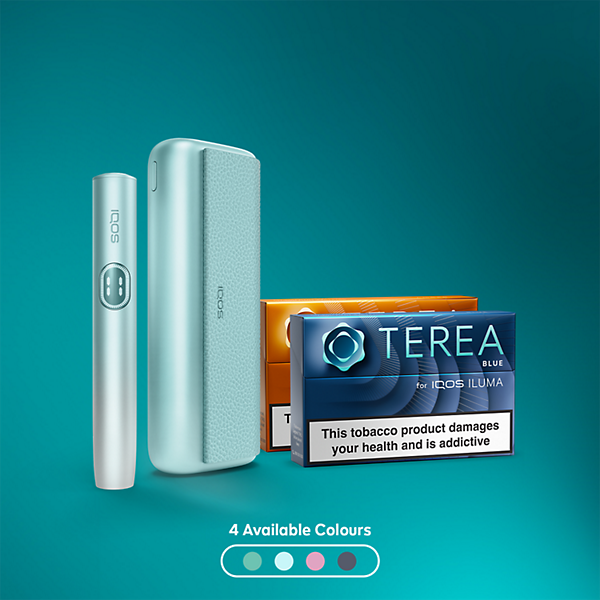
The ILUMA kit typically refers to the two‑piece holder and pocket charger. ILUMA Prime is the premium housing with similar internals, while ILUMA One is a single, all‑in‑one unit with fewer accessories to juggle. All of them heat TEREA sticks through induction rather than a blade, which means no scraping or fragile ceramic to worry about. That design shift removed a major failure point from older IQOS models, but it also changed the maintenance rhythm and the nature of common issues. If you are reading an IQOS ILUMA review that praises “no cleaning,” take it with a pinch of salt. The device needs less cleaning, not none.

Power and charging problems
The most common frustration shows up as a dead device when you think you have charge. The holder takes two sessions on a full charge for most variants, then docks into the pocket charger for a top‑up that takes a few minutes. If that loop breaks, trace it from wall to device.
Start with the power source. Plug the pocket charger into a reliable wall adapter rated at 5 V, 2 A. Many people try to charge from a laptop or a cheap adapter they found in a drawer, then wonder why the charging light never completes. When traveling, especially in the UK where multi‑port adapters are popular, I avoid daisy chains. A direct mains socket has solved more “mystery” failures than I can count.
If the pocket charger lights don’t animate after you connect it for at least 10 to 15 minutes, test a different USB‑C cable. Some cables charge phones fine but have weak connectors that intermittently connect on the slightly recessed IQOS port. Visually inspect the port for lint or pocket debris. A single fiber can prevent proper seating. I fold a Post‑it edge or use a soft brush, never a pin, to avoid damaging the contacts.
For holders that refuse to recharge inside the case, close the lid fully and wait for the case LEDs to cycle. If nothing changes, reseat the holder, rotating it slightly to help the contacts align. A persistent failure suggests dirty contacts or a firmware flag that needs a reset. A reset is simple but underused: with the pocket charger unplugged, press and hold its button for about 10 seconds until the lights fade out and pulse back on. On ILUMA One, press and hold the button until you feel a longer vibration and see the LED sequence. This clears transient glitches without erasing runtime data.
Two more edge cases worth mentioning. Ultra‑cold weather, close to freezing or below, slows battery chemistry. In Edinburgh winters my ILUMA would show a full bar but fail mid‑session. Warming it in a coat pocket for five minutes brought it back to life. On the other end, leaving the device in a hot car can trip a thermal limit that suspends charging. Let the device cool to room temperature before trying again.
Weak aerosol, harsh taste, or short sessions
Vapor quality hinges on three things: the stick, the device’s temperature control, and how you draw. Since there is no cleaning blade, people often forget the role of residual condensate. Even though the ILUMA is advertised as no‑clean, a light, regular wipe makes a noticeable difference.
Start with the TEREA stick. Only TEREA for IQOS ILUMA works with this device. It contains a metal element optimized for induction heating. Heets or generics from older models are incompatible and can trigger errors. Freshness matters too. Once opened, a pack loses moisture over days, faster in heated homes. Stale sticks taste thin and burn out early. I’ve had a full turnaround just by opening a new pack and sealing the rest in a simple zip bag.
Insertion depth is more forgiving with ILUMA than blade models, but it still matters. Insert the TEREA stick to the printed line, not halfway. A shallow insert sometimes warms the tobacco unevenly, giving that “hot paper” taste. If you insert fully and feel resistance earlier than usual, check the cap for debris or a deformed stick filter.
The draw should be steady, not forceful. Hard pulls cool the heating zone and invite condensation in the cap. Gentle sips allow the algorithm to maintain temperature and regulate aerosol density. If you are consistently getting harsh hits, rest the device for 20 to 30 seconds between puffs. That pause stabilizes the thermal profile and preserves flavor.
Cleaning, even if called “not needed,” is worth building into your week. Once every two to three packs, remove the cap and use a dry cotton swab to mop the inner barrel and cap recess. No alcohol, no water. A small amount of brown residue is normal. If you regularly see wet, tarry buildup, your draw is likely too strong or you are using sticks stored in a very humid place. Dry storage gives cleaner sessions.
Short sessions can indicate battery protection kicking in. If the holder starts and stops within a minute, recharge it fully. If the issue repeats on a fresh charge with multiple TEREA sticks, perform a reset as described earlier, then update firmware in the IQOS app if available in your market. Firmware updates often tweak temperature control and power delivery.
Sticks breaking, stuck filters, or hard removal
TEREA sticks are stiffer than older HEETS, yet filter separation still happens if you twist or yank after a hot session. Let the device finish and cool for at least 15 seconds before removing the stick. Then pull straight out with a light, continuous motion. Any twist increases the chance of the filter sleeve shearing.
If a filter segment remains in the cap, do not dig with metal tools. Remove the cap and tap it gently against your palm. A wooden toothpick, used lightly, can coax out stuck paper without scarring the inner surface. Persistent sticking usually points to condensate buildup. After removing the fragment, wipe the cap interior with a dry swab and leave the cap off for a few minutes to air out.
A rare but frustrating case: the TEREA seal feels glued on insertion. That happens when the cap interior is slick with condensed aerosol. A single dry wipe solves it. Over time, I found that lighter draws and a brief post‑session cool‑down reduce this problem dramatically.
Vibrations, lights, and what they mean in practice
You do not need a legend at hand, but a working memory of the signals saves time. A steady white light means ready. A pulsing light at start indicates pre‑heat. A double vibration typically signals the session start, and another buzz near the end cues that you have a few puffs left. A flashing red or orange usually means a fault or a temperature issue.
If you get a red blink right at start with a compatible TEREA stick, remove the stick, close the cap, and wait 30 seconds. Reset the device, then try a new stick. If the error persists, inspect the cap and chamber for damp residue. Moisture can make the device misread thermal feedback.
Mid‑session flashing often relates to rapid puffing or a temperature overshoot. Slow your draw and give the device a brief pause. If you get repeating mid‑session faults after a few weeks of clean operation, a firmware update can help. When I updated an ILUMA Prime in early summer, it eliminated a recurring mid‑session blink I saw only on menthol variants, suggesting minor tuning in how different blends heat.
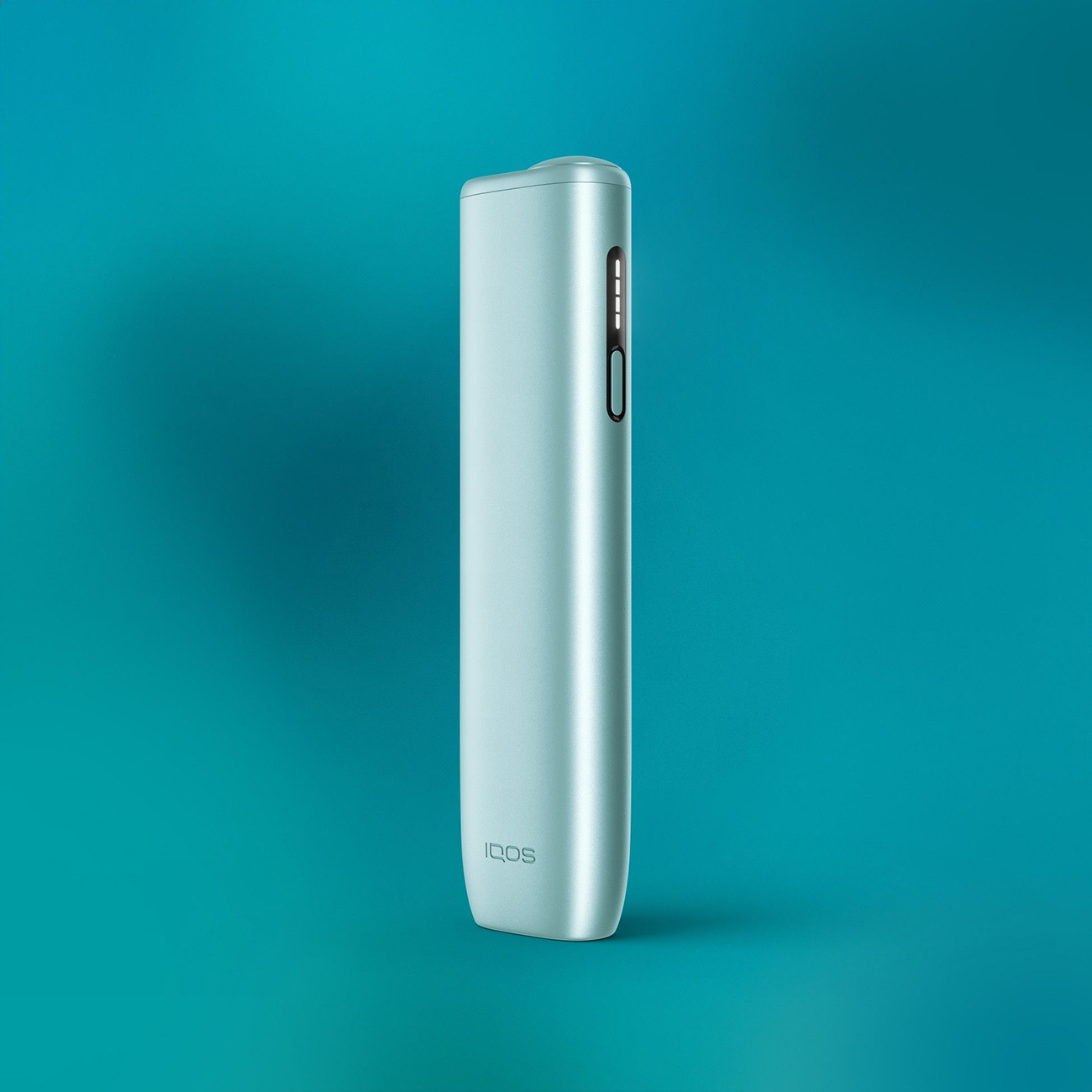
On ILUMA One, the single LED bar needs a bit of intuition. If it drops suddenly from mid to low during a session, the battery is dipping under load. Recharge and avoid using while plugged in, as pass‑through charging is inconsistent and can skew the indicator.
Why TEREA only, and what happens if you mix
A common question in the UK and elsewhere is whether you can use old HEETS to save money or exploit a sale. ILUMA relies on a metal element embedded in TEREA tobacco to heat evenly via induction. HEETS lack that element. If you try to use HEETS, the device either refuses to start or behaves erratically. Beyond performance, using non‑compatible sticks risks residue in https://assistenza-iqos-numerozrwatbmpvxxz429669930729031269750833.wpsuo.com/iluma-one-uk-guide-best-places-to-buy-and-warranty-tips areas not designed for it, which complicates support claims.
On the price front, IQOS ILUMA UK price varies by kit and retailer promos. The ILUMA kit typically sits in the mid range, ILUMA Prime higher due to materials, and ILUMA One as the budget‑friendly single unit. TEREA for IQOS ILUMA, depending on region and taxation, usually costs similar to or slightly above HEETS. The total cost of ownership comes down to stick consumption rather than maintenance, since you are not replacing broken blades. If you are comparing ILUMA vs a previous IQOS in an ILUMA review context, note that ILUMA’s reliability reduces those out‑of‑cycle costs.
When the device becomes unresponsive
This is where many users assume their unit has died. Most of the time, it has entered a protected state. Reset the pocket charger first, then the holder if your model allows it. For ILUMA and ILUMA Prime, check that the holder charges after the reset. If the holder remains unresponsive with no lights after a charge cycle, clean the case contacts and try again. A total blackout after multiple resets, multiple cables, and a known good adapter warrants a support ticket.
Before contacting support, note your usage: how many sticks since last charge, environment (very cold or hot), and whether you tried different TEREA variants. Support will ask. Keep your receipt or proof of purchase handy. In my experience, warranty outcomes in the UK are straightforward if you have the basics documented.
Heat not felt, or very light aerosol after update or long storage
After a firmware update, the first two sessions can feel slightly muted. The device re‑establishes its thermal baseline, and the chamber warms a bit differently with initial cycles. Give it two or three sticks and reassess. If it still feels light, try a different TEREA flavor. Some blends are inherently gentler, and a change in weather can nudge perception. I keep one pack of a stronger variant for damp days, since humidity dulls flavor more than people expect.
If the device sat unused for a month or more, charge it slowly, not with a high‑power adapter. Lithium cells prefer a gentle wake‑up. Let it reach full, then run one session and recharge. That pattern rebalances the internal estimation of capacity. I’ve recovered two ILUMA One units used only on trips with that patience.
Cap damage, wobble, or loose fit
The cap takes the brunt of insertion force and heat cycling. If it becomes loose or wobbly, check for an out‑of‑round shape from pocket pressure. A slightly oval cap won’t seat correctly and can degrade heating efficiency. Replacing the cap is easy and, in my view, a good maintenance part to keep on hand. I rotate caps on my ILUMA Prime every few months because I travel with it, and the peace of mind is worth the small cost.
Avoid removing the cap while the device is hot. Wait until it cools to the touch. Pulling it warm stretches the fit and accelerates wobble. Also avoid wiping the cap’s inner rails with alcohol, which can dry the material and increase wear. A dry swab does the job.
Auto‑start, Smartcore detection, and misfires
ILUMA can auto‑start when it detects a TEREA stick’s Smartcore entry. This is convenient until it triggers unexpectedly in a pocket or bag. If your device starts heating when you are just carrying it around, it is usually because a stick in a soft pack pressed against the cap, or a metal object in your bag confused the sensor. Keep the device in its own pocket or switch off auto‑start if your market firmware allows that option through the app.
Misfires, where you insert a stick and nothing happens, often resolve after a quick remove‑and‑reinsert. If you see a pattern with a specific batch of sticks, inspect the metal element in the tobacco end. Manufacturing variances are rare but real. Batches stored in high heat can deform slightly and become less responsive.
Travel tips that head off problems
At airports and in hotels, the failure pattern is predictable: a dead device right before boarding. Bring a short, high‑quality USB‑C cable and a compact 5 V, 2 A adapter. Charge fully the night before, and top up at the gate rather than waiting to discover the plane’s port is underpowered. Store TEREA packs sealed. Cabin humidity dries them quickly, which makes sessions thin and fast. If you are going somewhere cold, keep the pocket charger close to your body, not in an outer pouch, to avoid the cold‑battery performance dip.
If you use an ILUMA One for minimal carry, remember it charges slower than the pocket charger can recharge a separate holder. On a long day, the two‑piece ILUMA kit gives more flexibility because you can cycle the holder twice while the pocket charger rests in your bag, then recharge the case during a coffee stop. That workflow makes daily failures less likely.
When to replace parts, and when to retire a device
Batteries age. If your ILUMA or ILUMA Prime pocket charger barely delivers one full holder cycle after a year of daily use, the cell may be at the end of its useful life. If the holder itself drains faster than before or the LED indicator becomes erratic even after resets and updates, consider replacement. Accessories like caps and charging cables are consumables. Replacing a cap every quarter if you are a heavy user costs less than chasing intermittent faults that originate from a worn fit.
As for the ILUMA One, expect a shorter overall lifespan compared to the two‑piece kit if you use it heavily. There is no separate holder battery to swap, so the single cell bears all cycles. If you value longevity, the kit structure is a better choice. If you value simplicity and pocket space, ILUMA One is hard to beat, especially as a secondary device.
Practical maintenance that actually makes a difference
Most issues disappear with a simple routine. Keep it light, consistent, and equipment friendly.
- Once a week, with the device cool and empty, slide off the cap and dry‑swab the interior and the top of the chamber. No liquids, no scraping tools, no compressed air. Every three to four days, check the USB‑C port and the pocket charger’s holder bay for lint. A soft brush or folded paper edge works best. Charge from a steady 5 V, 2 A wall adapter. Avoid overnight charging on unstable multi‑port hubs. Rotate caps if you notice wobble. Replace them rather than forcing a loose fit to work. Store TEREA in a sealed pouch after opening. If sessions taste flat, open a fresh pack before blaming the device.
A quick guide to “how to use IQOS ILUMA” the trouble‑free way
People often ask how to use IQOS ILUMA so it runs trouble‑free, not just how to start a session. The basics matter. Insert a TEREA stick to the marked line. Press the button once to start, or let auto‑start handle it if available. Wait for the vibration that signals ready. Take slow, steady puffs. When you feel the end‑of‑session signal, finish naturally rather than chasing extra puffs. Let the holder cool a bit before removing the stick, then pull straight out without twisting. Dock the holder into the pocket charger with the cap down, lid closed. This rhythm avoids most of the issues noted above.
If you are new and comparing ILUMA vs ILUMA Prime, the routine is identical. The difference is mostly in materials and case design. The ILUMA Prime feels more premium and resists scuffs better in a bag, which indirectly helps with longevity because the cap and body stay truer to shape. If budget is tighter, the standard ILUMA kit gives the same core performance. Pay attention to IQOS ILUMA UK price fluctuations; seasonal promotions can narrow the gap.
Troubles you should not ignore
If you smell a burning odor that is nothing like heated tobacco and more like singed plastic, stop, remove the stick, and let the device cool. Inspect the chamber and cap. A repeated plastic smell suggests an internal fault. Do not keep using it hoping it will fade.
If the device heats unexpectedly without a stick, that is a malfunction. Reset it, and if it repeats, contact support. Overheating a dry chamber is rare but serious.
If you see visible damage to the USB‑C port, such as a bent center tongue or a loose housing, stop plugging and seek service. Repeated forced insertions can convert a minor issue into a complete failure.
Where edge cases live
Humidity affects aerosol more than temperature in my experience. On a rainy week in Manchester, every variant felt a notch softer. Opening a fresh TEREA pack and pacing puffs solved it. Altitude has a minor effect. In alpine trips, I noticed slightly faster heat‑up and a tendency to end a bit sooner. Not a failure, just a pattern.
Menthol and mint blends tend to accentuate harshness if you puff too quickly. Slowing down more than you would on regular blends keeps the session comfortable. Darker blends leave a touch more residue, so a weekly swab becomes even more important.
If you switch between ILUMA devices, keep a spare cap and cable for each. Swapping caps between worn and fresh devices can mask a cap‑related issue and lead you down a diagnostic rabbit hole.
When support or replacement is the right call
You can do a lot at home, but some issues need official eyes. If your device repeatedly shows red errors on fresh TEREA sticks after resets and cleaning, or if it loses charge abnormally fast within a few minutes from full, contact support. Provide the model, approximate purchase date, and the steps you already tried. If you are in the UK, turnaround is typically quick and pragmatic if the device is within warranty.
If you have run your ILUMA hard for a year or more and begin to see compounding quirks, weigh the time you spend troubleshooting against the cost of a new kit. The ILUMA kit strikes the best balance for daily reliability, ILUMA Prime rewards you with better finish and feel, and ILUMA One keeps travel light. Align that choice with how you actually use it, not an aspirational pattern you will not follow.
Final thoughts from daily use
The ILUMA platform removed the most fragile component from older IQOS devices and brought a real bump in day‑to‑day reliability. In my routine, failures now almost always trace back to simple causes: underpowered chargers, lint in the port, stale TEREA sticks, or rushed puffing that throws off temperature control. Small, consistent habits beat heroic fixes. Keep the port clean, the cap dry, the battery charged with a proper adapter, and the TEREA sealed until you use them. If something feels off, start with a reset and a fresh stick before assuming the worst.
People often ask whether the device “pays for itself.” If you were used to replacing blades or entire holders every few months, the ILUMA’s sturdier design and the lack of blade cleaning tools make a difference that adds up. The soft costs are lower too: fewer frustrating moments of mid‑session failure, less time spent fiddling. That is hard to quantify in a single IQOS ILUMA review, but it is easy to feel after a few months of living with it.
If you are choosing your first ILUMA kit, consider where you will use it most. Commuters and frequent travelers tend to prefer the two‑piece kit for flexibility. Minimalists and occasional users like the ILUMA One for its grab‑and‑go simplicity. Either way, the same troubleshooting principles apply, and they solve the vast majority of hiccups you will ever run into.